

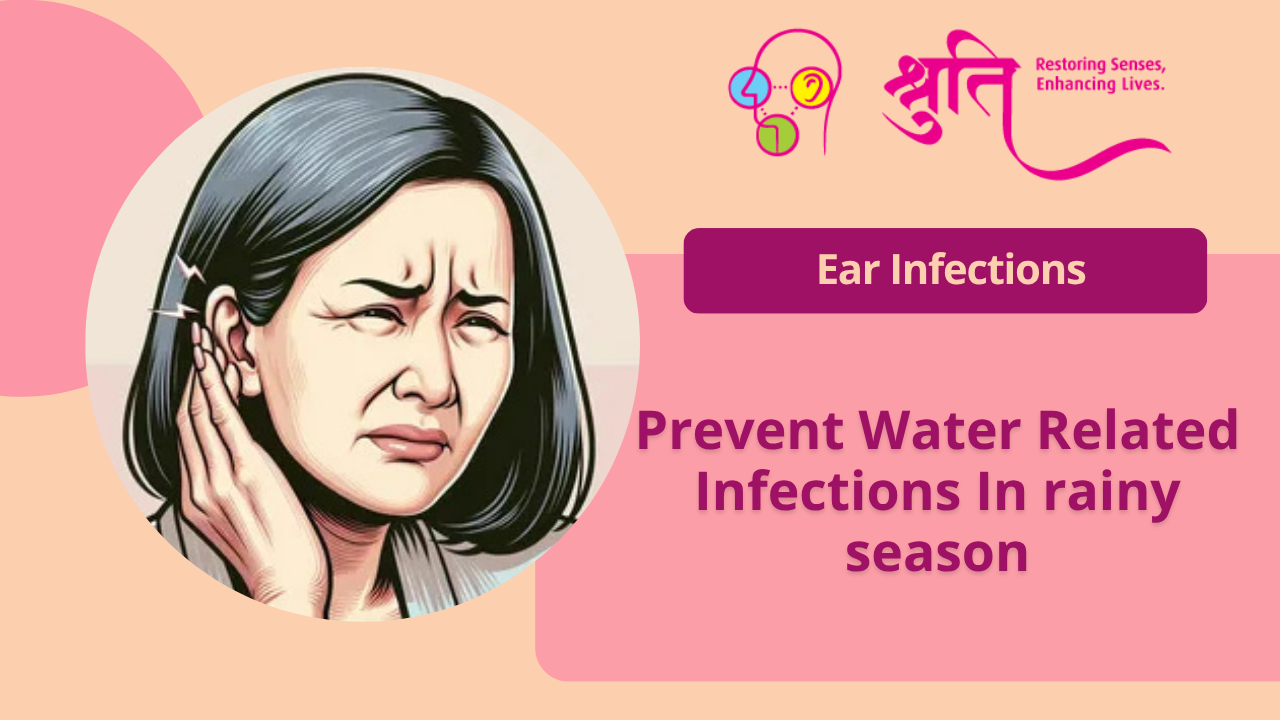
How to Prevent Water-Related Ear Infections in Rainy Season
The rainy season brings relief from heat but also increases the risk of several ear-related problems. Frequent exposure to rainwater, increased humidity, and moisture trapped inside the ear can create a favourable environment for bacterial and fungal growth.
Look out for these signs after getting wet:
- ear itching, pain, or blockage
- discharge or reduced hearing
While these symptoms may appear minor initially, ignoring them can lead to worsening infections and discomfort. Understanding how to prevent water-related ear infections and following simple ear care habits can help protect your hearing health.
Why Do Ear Infections Increase During Monsoon?
During rainy weather, several factors increase the chances of ear infections.
Common Symptoms of Water-Related Ear Infections
Signs that you may have an ear infection include:
Ear Pain
Pain or discomfort inside the ear is one of the most common symptoms.
Itching Inside the Ear
Persistent itching may indicate irritation or fungal growth.
Ear Discharge
Fluid, pus, or unusual discharge from the ear should not be ignored.
Feeling of Ear Blockage
Water buildup or swelling can create a blocked sensation.
Reduced Hearing
Temporary hearing difficulty may occur due to swelling or infection.
Ear Tenderness
The outer ear may feel painful when touched or moved.
How to Prevent Water-Related Ear Infections
One of the most important steps is preventing moisture buildup. Here's what you can do:
- Keep Ears Dry: Dry your ears gently after getting wet using a clean towel.
- Remove Trapped Water: Tilt your head gently to remove trapped water.
- Swimming Care: Use proper ear protection and avoid dirty water.
- Avoid Wet Hair: Avoid keeping wet hair around your ears for long periods.
- Earphone Hygiene: Clean earphones regularly and avoid sharing.
- Avoid Over-Cleaning: Frequent cleaning can remove protective earwax.
Common Mistakes That Increase Infection Risk
Many people unknowingly make ear problems worse by:
Diagnosis & Treatment Options
An ENT specialist like Dr. Shruti Sharma will carefully evaluate your symptoms and ear condition. Treatment depends on the severity and underlying cause.
Detailed Ear Examination
Identification of bacterial or fungal infections like Otitis Externa or Otomycosis.
Medications & Ear Drops
Appropriate prescription medication tailored to the specific type of infection.
Hearing Assessment
Conducted if reduced hearing is reported, to evaluate potential temporary hearing loss.
Preventive Care Guidance
Personalized advice on ear care to prevent further monsoon infections.
Book Appointment with Dr. Shruti Sharma
If you experience ear pain, itching, discharge, or blockage after rain exposure, consult Dr. Shruti Sharma for expert ENT care in Mumbai.
- Comprehensive ear evaluation
- Advanced diagnostic approach
- Personalized treatment plans
- Care for adults and children
Quick FAQs
Why do ear infections increase during rainy season?
High humidity, frequent water exposure, and moisture trapped inside the ear create conditions that support bacterial and fungal growth.
Can rainwater cause an ear infection?
Yes, trapped moisture from rainwater can irritate the ear canal and increase the risk of bacterial or fungal infections.
How can I remove water from my ears after rain?
Dry the outer ear gently with a towel and allow trapped water to drain naturally. Avoid inserting cotton buds or objects inside the ear.
Can I use ear drops without consulting a doctor?
No. Different ear conditions require different treatments. Using incorrect ear drops may worsen some infections.
How can I prevent ear infections while swimming?
Use ear protection, avoid contaminated water, and dry your ears properly after swimming.
When should I visit an ENT specialist for ear pain?
Consult an ENT doctor if ear pain persists, worsens, or is accompanied by discharge, hearing changes, or fever.
Where can I get treatment for monsoon ear infections in Mumbai?
Dr. Shruti Sharma provides expert diagnosis and treatment for ear infections and other ENT conditions in Mumbai.
Ready for the Next Step?
Early evaluation helps prevent complications and protects your hearing. Book your appointment today and protect your ears from monsoon-related infections.
Book Your Appointment Today