

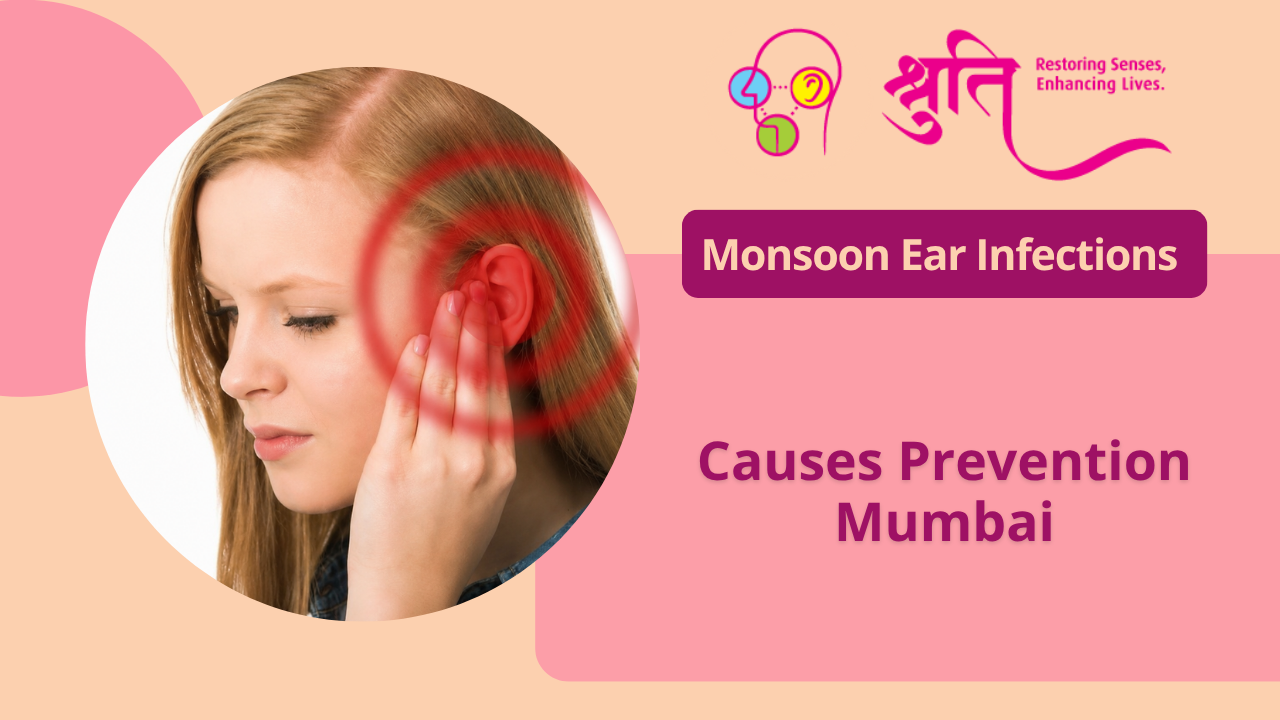
🌧️ Monsoon Ear Infections: Why They Increase Every Year
The monsoon season brings refreshing rains and cooler weather, but it also creates favourable conditions for ear infections to become more common. Increased humidity, frequent exposure to rainwater, and moisture trapped inside the ear can disturb the natural protection of the ear canal, allowing bacteria and fungi to grow.
Many people experience ear pain, itching, ear blockage, or discharge during the rainy season. While some ear infections may seem minor initially, ignoring symptoms can lead to worsening infection and temporary hearing problems.
If you frequently develop ear problems during monsoon, understanding the causes, symptoms, and prevention methods can help protect your ear health. Consulting an experienced ENT specialist in Mumbai like Dr. Shruti Sharma can ensure timely diagnosis and proper treatment.
🌧️ Why Are Ear Infections More Common During Monsoon?
The monsoon environment creates several factors that increase the risk of ear infections.
- High Humidity Levels: During rainy months, moisture levels in the air increase significantly. This creates a warm and damp environment where bacteria and fungi can multiply easily, especially inside the ear canal.
- Water Exposure: Rainwater, swimming, or frequent washing can allow moisture to enter the ears. When water remains trapped, it can irritate the skin and increase the chances of infection.
- Reduced Ear Protection: The ear canal naturally protects itself with earwax, which prevents harmful microorganisms from entering. Excessive cleaning or removing earwax unnecessarily can reduce this natural defence.
- Increased Bacterial and Fungal Growth: Damp conditions encourage the growth of microorganisms responsible for conditions like Outer ear infection (Otitis Externa), Fungal ear infection (Otomycosis), and Middle ear infections.
👂 Common Types of Ear Infections During Monsoon
1. Outer Ear Infection
Also known as Swimmer’s Ear, one of the most common monsoon-related ear problems.
- Water entering the ear canal
- Excess moisture
- Scratching or injury inside the ear
- Frequent use of earbuds or cotton buds
- Ear pain, itching, redness, swelling, ear discharge, feeling of blockage.
Without proper treatment, the infection can become more painful and may affect daily activities.
2. Fungal Ear Infection
Otomycosis is more common during humid weather.
- Moisture trapped inside the ear
- Excessive sweating
- Unnecessary ear cleaning
- Use of contaminated earphones
- Severe itching, ear fullness, white or black discharge, mild hearing difficulty, discomfort inside the ear.
Requires proper cleaning and medication prescribed by an ENT specialist.
3. Middle Ear Infection
Occurs when infections from the nose and throat spread towards the ear.
- Frequent cold and cough
- Sinus infections
- Blocked Eustachian tubes
- Viral infections
- Deep ear pain, fever, reduced hearing, feeling of pressure inside the ear.
⚠️ Warning Signs You Should Not Ignore
Many people delay treatment assuming ear discomfort will resolve on its own. However, seek medical advice if you experience:
- Persistent ear pain
- Ear discharge
- Hearing changes
- Severe itching
- Ear blockage lasting more than a few days
- Fever with ear pain
- Repeated ear infections
Early diagnosis helps prevent complications and supports faster recovery.
🛡️ How to Prevent Ear Infections During Monsoon?
Following simple precautions can help reduce your risk of ear infections.
- Keep Your Ears Dry: After getting wet in rain or after bathing, dry the outer ear gently with a clean towel. Avoid allowing water to remain inside the ear.
- Avoid Using Cotton Buds: Cotton buds can push earwax deeper, damage the ear canal skin, and increase infection risk. The ear has its own natural cleaning mechanism.
- Protect Your Ears While Swimming: If you swim regularly during monsoon, use proper ear protection, dry your ears after swimming, and avoid swimming in unhygienic water.
- Maintain Earphone Hygiene: Dirty earphones can transfer bacteria and fungi. Clean earphones regularly, avoid sharing them, and do not use them for prolonged periods.
- Avoid Self-Medication: Using random ear drops without proper diagnosis can worsen certain infections. Always consult an ENT doctor before starting treatment.
🩺 When Should You Visit an ENT Specialist?
You should consult an ENT specialist if:
An ENT specialist can examine the ear using advanced tools and recommend appropriate treatment.
📍 Monsoon Ear Care in Mumbai
Mumbai’s coastal climate, high humidity, and frequent rainfall make ear infections more common during monsoon. People living in areas like Tardeo and Pedder Road may experience increased exposure to humid conditions, making preventive ear care important.
Dr. Shruti Sharma provides expert ENT consultation with:
- ✔️ Accurate diagnosis
- ✔️ Advanced ear infection treatment
- ✔️ Personalized care plans
- ✔️ Patient-focused approach
🌿 Daily Tips to Protect Your Ear Health During Monsoon
Follow these simple habits:
- ✔️ Keep ears dry after rain exposure
- ✔️ Avoid inserting objects inside the ear
- ✔️ Clean earphones regularly
- ✔️ Maintain good hygiene
- ✔️ Treat cold and sinus problems early
- ✔️ Avoid unnecessary ear cleaning
- ✔️ Consult an ENT specialist for recurring problems
🚨 Don’t Ignore Repeated Ear Infections
Recurring ear infections may indicate an underlying issue that needs medical attention. Timely treatment can help:
- Prevent hearing problems
- Reduce infection recurrence
- Avoid complications
- Improve ear health
❓ FAQs About Monsoon Ear Infections
1. Why do ear infections increase during monsoon?
High humidity, moisture exposure, and increased bacterial and fungal growth make ear infections more common during the rainy season.
2. Can rainwater cause an ear infection?
Yes, trapped moisture from rainwater can irritate the ear canal and increase the risk of bacterial or fungal infections.
3. What are the symptoms of a monsoon ear infection?
Common symptoms include ear pain, itching, discharge, blockage, and temporary hearing difficulty.
4. Can I use ear drops without consulting a doctor?
It is not recommended. Different ear problems require different treatments, and incorrect drops may worsen the condition.
5. How can I prevent ear infections during rainy season?
Keep your ears dry, avoid cotton buds, maintain earphone hygiene, and seek early medical advice for symptoms.
6. When should I visit an ENT doctor for ear pain?
Consult an ENT specialist if ear pain persists, worsens, or is associated with discharge, fever, or hearing changes.
7. Where can I consult an ENT specialist in Mumbai?
You can consult Dr. Shruti Sharma for expert ENT care in Mumbai at Tardeo and Pedder Road.
📞 Consult Dr. Shruti Sharma for Monsoon Ear Problems
If you are experiencing ear pain, itching, discharge, or hearing changes during monsoon, timely consultation can make a difference. Dr. Shruti Sharma offers expert ENT care in Mumbai with a focus on accurate diagnosis and effective treatment.
✔️ Experienced ENT Specialist in Mumbai
✔️ Convenient location at Tardeo & Pedder Road
✔️ Comprehensive ear, nose, and throat care